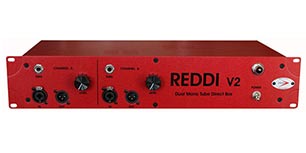
What Makes a Great Mic Preamp?
If all mic preamps are designed to do the same thing—boost a microphone signal—why do they sound so different?
It’s a question many musicians and producers ask once they start upgrading their gear. And the answer lies in something deeper than specs or features: how the preamp is designed, and what it does to your signal along the way.
It’s Not Just About Gain
At its most basic level, a mic preamp takes a very low-level signal and amplifies it to a usable level. But that process isn’t neutral.
Every component in the signal path—transformers, transistors, capacitors—affects how that signal is shaped. Even subtle differences in design can dramatically change how your recordings feel.
This is why two preamps with identical gain ranges can sound completely different.
The Role of Headroom and Noise
A great mic preamp gives you clean gain—but also usable gain.
Higher-quality preamps provide more headroom, meaning they can handle peaks without distortion or harshness. They also maintain low noise even at higher gain levels, which is especially important for:
- Ribbon microphones
- Quiet vocal performances
- Acoustic instruments with subtle dynamics
This combination allows you to capture detail without introducing unwanted artifacts.
Why Transformers Matter
One of the biggest differences between basic and high-end preamps is the use of transformers.
Transformer-based designs don’t just pass audio—they shape it. They add subtle harmonic content that gives your recordings:
- More weight in the low end
- A forward, present midrange
- Smoother, more natural high frequencies
This is part of what gives classic recordings their depth and “finished” sound—even before mixing.
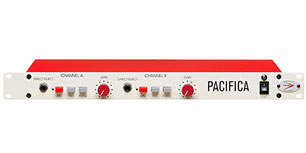
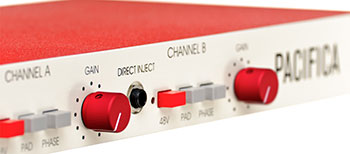
Preamps like the A-Designs Pacifica are built around this philosophy, using transformer-based circuitry inspired by vintage consoles to bring out the musicality of a performance.
Transient Response: The Hidden Factor
Another key difference in great preamps is how they handle transients—the fast, initial attack of a sound.
A high-quality preamp captures transients accurately, which results in:
- Drums that feel punchy and alive
- Vocals that cut through a mix
- Instruments that retain their natural dynamics
Lesser preamps can smear or dull these details, making recordings feel less energetic.
Character vs Transparency
Not all great preamps sound the same—and that’s by design.
Some preamps aim for transparency, capturing the source as cleanly as possible. Others are designed to add character—subtle coloration that enhances the sound in a musical way.
Neither approach is “better”—it depends on what you want. But many engineers prefer preamps that add a bit of character, because it helps tracks sit more naturally in a mix.
Where the P-1 Fits In
If you’re building a modular setup, 500-series preamps offer a flexible way to explore high-end sound.
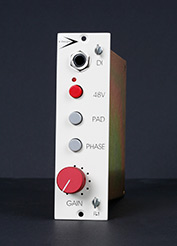
The P-1 500-series preamp delivers a transformer-based design with a slightly forward midrange and extended top end—making it especially effective on drums, vocals, and instruments with strong transients.
It’s a compact way to bring professional tone into your setup without committing to a full rack unit.
Why This Matters in the Real World
A great mic preamp doesn’t just improve your recordings—it changes how you work.
When your source sounds better:
- You rely less on EQ and plugins
- Your mixes come together faster
- Your tracks feel more “finished” from the start
This is why experienced engineers focus so heavily on the front end of the signal chain.
Final Thoughts
All mic preamps amplify your signal—but the best ones enhance it.
The difference comes down to design, components, and how the circuit interacts with your sound. Once you hear what a great preamp can do, it becomes one of the most valuable tools in your recording setup.
Because great recordings don’t start in the mix—they start at the source.